How Esports Became a Global Phenomenon

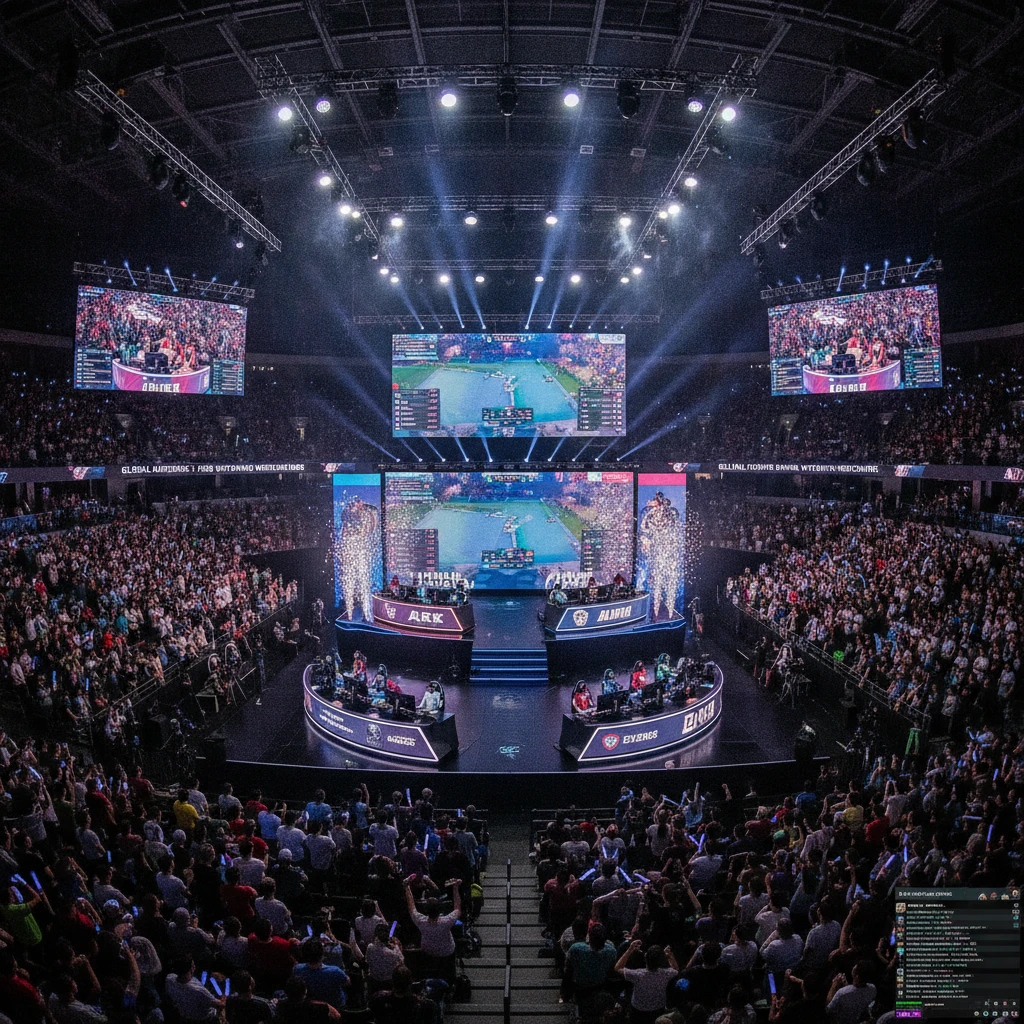
Esports grew from informal video game contests into organized competitions watched by audiences around the world. Online multiplayer games brought competitors together, streaming platforms made matches easy to follow, and publishers, teams, sponsors, and fans built a wider entertainment ecosystem around them.
That growth was neither automatic nor identical across games. Each esports scene developed through its own mix of competitive design, community involvement, technology, and business support. Understanding that mix explains how gaming competitions became a lasting part of digital entertainment.
From local competitions to organized esports
Esports began with local gaming contests and grew as players, organizers, and game companies created repeatable tournaments and leagues. The shift from informal play to structured competition gave players a reason to return and audiences a clear event to follow.
Early competitions often took place in arcades, computer labs, and gaming venues. Players met in person, shared equipment, and competed for recognition or modest prizes. As home computers and internet access spread, online multiplayer games allowed competitors to face one another without sharing a room.
Organizers gradually added brackets, match rules, schedules, referees, and rankings. Those details sound administrative, but they made competition easier to understand and trust. A consistent format helped a local contest become a recurring tournament, while recurring tournaments could attract stronger players and sponsors.
Grassroots communities remained essential even as events became more professional. Players and volunteers often built early scenes through forums, local clubs, and amateur leagues. Later, publishers and tournament organizers could scale a scene, but they generally needed an active player base first.
The games that brought players together
Competitive multiplayer games helped esports grow by giving players clear goals, repeatable matches, and reasons to develop specialized skills. Different genres created different scenes, from tactical team play to one-on-one strategy and sports simulations.
A game becomes well suited to competition when players can understand what is at stake, see skill influence the result, and find opponents at a similar level. Balance updates and new content can keep a scene active, although frequent changes may also frustrate players who have built strategies around older versions.
Several genres helped broaden esports beyond a single type of player:
- Real-time strategy games reward planning, resource management, and quick decisions.
- First-person shooters combine aim, positioning, teamwork, and communication.
- Multiplayer online battle arena games make team roles, map control, and coordinated fights central to competition.
- Fighting games often feature direct contests in which timing, matchup knowledge, and adaptation matter.
- Sports and racing games translate familiar competitive formats into digital play.
These games also brought different audiences and traditions. Some communities prize open brackets and local events; others follow professional leagues with regular seasons. That variety is part of esports’ reach, but it means there is no single tournament model that suits every game.
Streaming turned competition into a shared experience
Streaming platforms made esports accessible to people who could not attend an event or find local competition. Live video, commentary, chat, and on-demand replays let fans follow matches across regions and time zones.
Before online video became widespread, watching a tournament usually meant being at the venue or relying on limited coverage. Streaming changed that relationship: a fan could watch a major final from home, follow a favorite player’s practice, or catch highlights after work. Broadcasters added analysis and play-by-play commentary, helping newcomers understand why a match mattered.
Chat and social media made viewing participatory. Fans shared predictions, celebrated standout plays, and built running jokes around teams and players. These conversations helped esports feel less like a broadcast delivered to a passive audience and more like a gathering around a shared interest.
Accessibility comes with trade-offs. A stream can reach viewers far beyond an arena, but the experience depends on reliable internet, platform availability, and a broadcast that explains the action clearly. Platform rules and monetization can also change, so organizers often need more than one way to reach fans.
Teams, tournaments, and a professional ecosystem
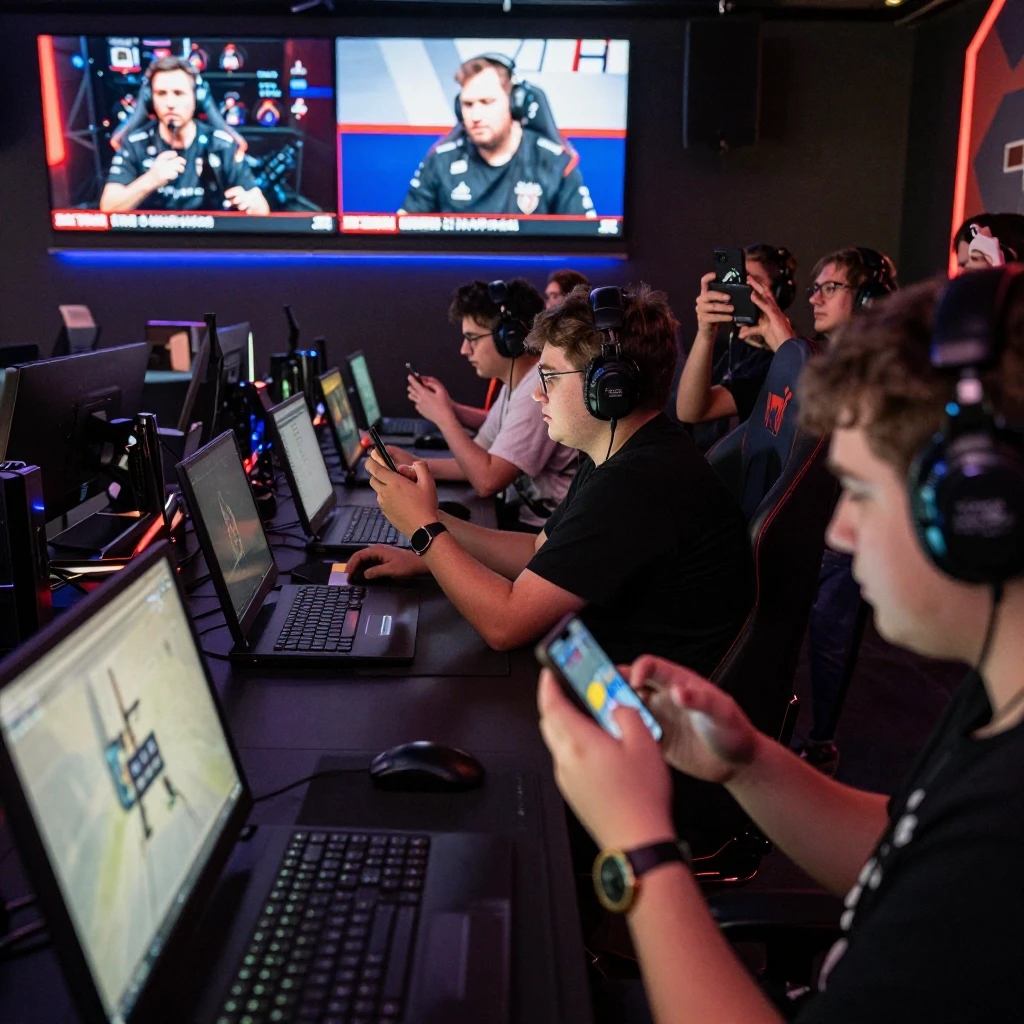
Professional esports developed as players joined teams, organizers staged larger tournaments, and businesses supported competition through sponsorships and media rights. Together, these groups turned individual matches into an industry with careers and recurring events.
Professional teams may provide coaching, practice schedules, analysis, travel support, and marketing. Players can earn through salaries, prize money, sponsorships, and content creation, though income and job security vary widely by game and organization. A visible top tier does not guarantee stable work for everyone trying to enter the scene.
Large esports tournaments combine competition with production. Event crews manage stages, lighting, broadcast equipment, commentators, schedules, and player areas. Gaming arenas and live events give fans the energy of a shared crowd, while online broadcasts extend that event to people who cannot travel.
Sponsors may support teams, leagues, or individual events in exchange for visibility with gaming audiences. Media rights and distribution partnerships can also help fund production. These arrangements can bring resources to a scene, but dependence on a small number of commercial partners creates risk if budgets or priorities change.
A useful way to understand the ecosystem is to follow the chain: games create competition, communities create attention, and organizers turn attention into events. Teams and sponsors can strengthen that chain, but a healthy scene still depends on players and fans choosing to participate.
Why esports connects with fans worldwide
Esports connects with fans because it combines high-level skill with community, identity, and shared entertainment. Viewers can admire expert play, support a team, learn a game, or simply enjoy the suspense of a close match.
For many fans, the appeal starts with familiarity: they already play the game or know its rules. Watching professionals reveals strategies and decisions that may be hard to notice during casual play. For others, commentators and storylines make a match engaging even if they have never held a controller.
Online communities help people connect across geography. A fan may follow a local team, a player from another country, or a game scene built around a particular language and play style. Fan communities create traditions through watch parties, fan art, discussion, and in-person meetups.
Esports also offers a different route into competitive entertainment. Some viewers are drawn to its digital-native format: matches happen inside games they recognize, and players often interact directly with fans through streams and social channels. That closeness can build loyalty, although public attention may place heavy pressure on players.
Challenges and what comes next
Esports’ future depends on sustainable competition, healthier working conditions, and clear relationships between game publishers and the communities around their titles. Growth can create opportunity, but it does not remove the risks of unstable funding or demanding schedules.
Publishers control the games at the center of many esports scenes. Their updates, licensing decisions, and tournament policies can shape whether competitions continue and who may organize them. Publisher support can provide structure and investment; strong control can also limit independent organizers or leave a scene exposed to a company’s changing priorities.
Player well-being is another concern. Intensive practice, travel, public scrutiny, and uncertain career length can make professional play demanding. Teams and organizers can help by setting realistic schedules, offering access to health support, and planning for education or work after competition.
Financial sustainability matters at every level. Prize pools attract attention, but they do not alone create reliable careers or cover the cost of year-round events. Stronger scenes need varied income, transparent agreements, and opportunities for amateur players to compete without assuming that every participant will become a professional.
Esports may keep changing as games, platforms, and viewing habits evolve. The scenes most likely to endure are those that treat competition as a relationship among publishers, organizers, players, and fans, rather than as a short-lived marketing campaign.
Frequently asked questions about esports
Esports refers to organized competition in video games, though tournament formats and professional standards vary. These answers clarify how the term is used and why its meaning can depend on the game and event.
What does esports mean?
Esports means organized competitive gaming, usually involving players or teams competing under set rules in video games. It can include amateur tournaments, professional leagues, and major live events.
How did esports become popular?
Esports became popular through a combination of accessible online multiplayer games, repeatable tournaments, streaming platforms, and active fan communities. These forces allowed people to compete and watch without needing to be in the same venue.
How do esports tournaments work?
Esports tournaments set rules for entry, match formats, scoring, and advancement. Depending on the event, players may compete in brackets, groups, or league seasons, with organizers managing schedules, broadcasts, and results.
Can esports be considered a sport?
Esports can be considered a form of competitive sport in the broad sense: players train, follow rules, and compete for results. It differs from traditional physical sports because performance centers on digital games, and the game publisher may control the competitive environment.