The Psychology Behind Gaming Addiction—and How to Build Healthy Gaming Habits

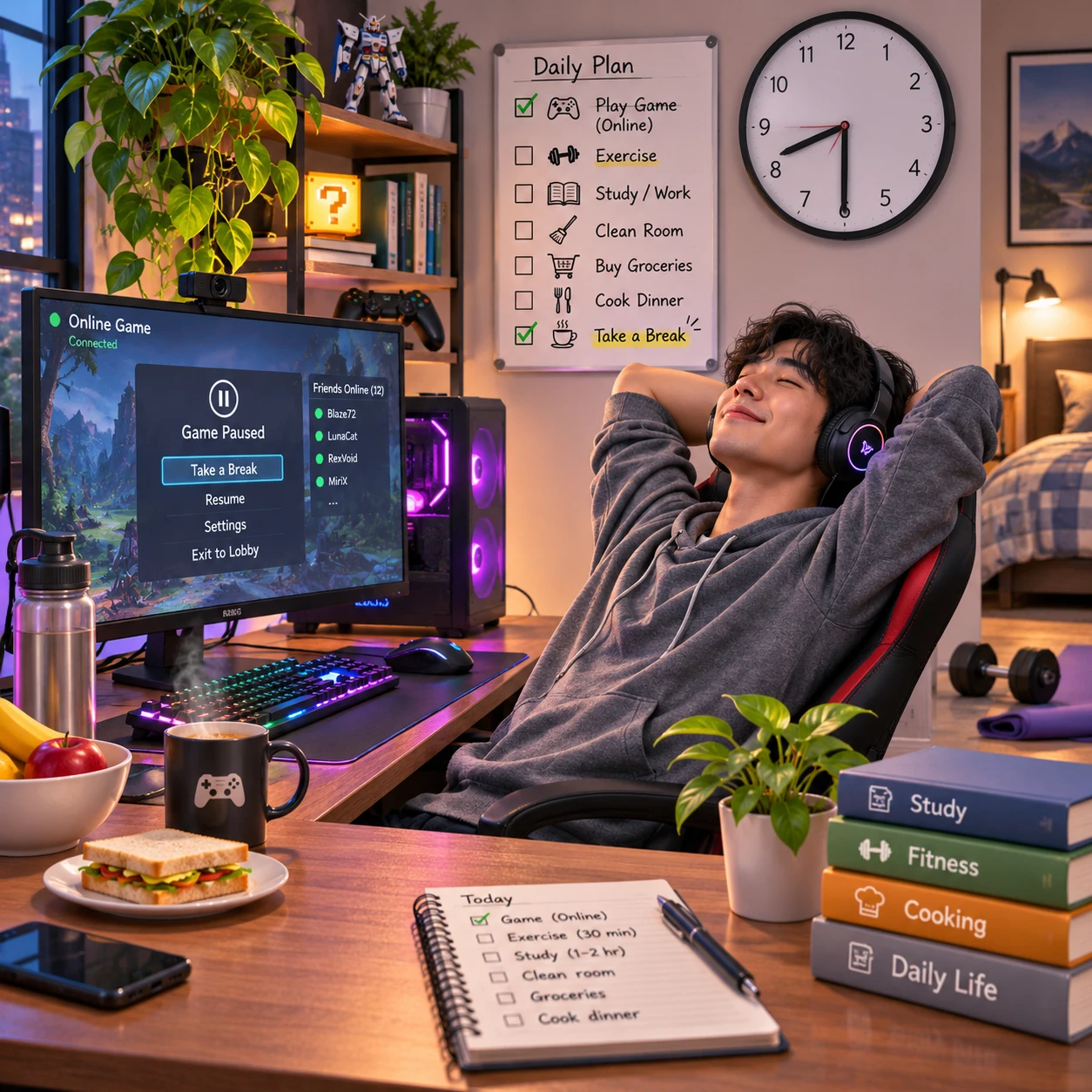
Games can offer challenge, company, and a welcome break from routine. For many people, gaming is a satisfying hobby. Concern arises when playing becomes difficult to control and repeatedly pushes aside sleep, school or work, relationships, or other parts of life. Understanding the psychology behind gaming can help you recognize the difference without treating enthusiasm as a problem.
Why games are so engaging
Games hold attention by combining clear goals, frequent feedback, a sense of progression, and rewards that can be hard to predict. These features make the next match, level, or item feel worth pursuing, even when you planned to stop.
A game may give immediate feedback when you land a shot, complete a quest, or improve a skill. Progress bars, ranks, unlocks, and daily challenges make effort visible. In online games, teammates and opponents add social stakes: logging off can feel like letting the group down or missing a shared event.
Some games also use variable rewards, where the timing or size of a reward changes. A rare drop might arrive after many ordinary attempts, so each new attempt carries the possibility of a surprise. This is one kind of reward loop, not proof that a game is designed to cause addiction. The same uncertainty can make play exciting, but it can also make stopping harder.
Dopamine is involved in learning, motivation, and anticipating rewards. It is often simplified as a “pleasure chemical,” but that description misses its role in prompting us to pursue things that might be rewarding. A game’s reward loop can strengthen the urge to continue; individual circumstances and patterns of play matter too.
When gaming may be becoming a problem
Gaming may be a problem when you repeatedly struggle to control it and it causes significant distress or disrupts important parts of everyday life. Time spent playing alone cannot establish gaming disorder, and frequent play is not automatically harmful.
Health organizations describe gaming disorder in terms that include impaired control, giving gaming priority over other activities, and continuing despite negative consequences. The pattern must be serious enough to cause significant impairment; a busy gaming week or a long session is not, by itself, a diagnosis. The World Health Organization’s gaming disorder information explains this distinction.
It may help to look at effects rather than hours. Ask yourself whether you often:
- Play longer than intended, despite repeated attempts to stop or cut back.
- Miss sleep, meals, school, work, appointments, or responsibilities because of gaming.
- Withdraw from relationships or activities you used to value.
- Keep playing even when it is creating conflict, financial strain, or worsening well-being.
- Feel that gaming is the only reliable way to cope, while other sources of support shrink.
These signs do not diagnose you. They are reasons to take an honest look at how gaming fits into your life and, if needed, ask for help.
The emotional needs gaming can meet
Gaming can meet real emotional needs for enjoyment, achievement, belonging, and relief. It becomes more concerning when it is the main way to manage distress and starts replacing other forms of connection or coping.
Games offer challenges with clear rules and visible progress. That can feel rewarding when school, work, or personal problems seem uncertain. Multiplayer games can create social connection through teamwork, familiar routines, and shared jokes. There is nothing inherently unhealthy about finding friendship or confidence in a game.
Escapism can also be a normal way to unwind. A few hours in a different world may help you reset after a difficult day. The key question is whether play gives you a break before you return to life, or helps you avoid problems that keep growing. If you log in mainly to escape anxiety, loneliness, or low mood, notice how you feel before and after playing. That observation can reveal whether gaming is helping, merely postponing an issue, or doing both.
Try adding options rather than taking gaming away: message a friend, go for a short walk, make something, or talk with someone you trust. More than one reliable source of comfort makes it easier to choose gaming freely.
How to build healthier gaming habits
Healthier gaming habits start with a plan that fits your schedule and protects the basics: sleep, responsibilities, and time with other people. A strict universal time limit is less useful than a boundary you can keep and adjust.
- Choose a stopping point before you start. Pick an endpoint such as two matches, the end of a quest, or a set time. For games with unpredictable match lengths, set an alarm early enough to finish the current round rather than beginning another.
- Plan sessions around obligations. Put work, study, meals, movement, and social plans on the calendar first. Decide when gaming fits, instead of letting a session expand into whatever time remains.
- Protect sleep hygiene. Set a wind-down time that leaves room to save, finish a match, and step away before bed. If late-night play regularly cuts into sleep, move gaming earlier or avoid starting a long session near bedtime.
- Take breaks that actually interrupt play. Between rounds, stand up, drink water, and check how much time has passed. A break is easier to take at a natural pause than during a competitive match.
- Review the pattern without judging yourself. For a week, note when you played, what you meant to do, and what got delayed. Use the record to adjust your plan, not to label yourself.
Gaming boundaries work best when they are specific and practical. “I’ll play less” is hard to act on; “I’ll finish by 10:30 on work nights” gives you a clear cue. If one strategy fails, revise it. A limit that repeatedly collides with team schedules or game modes may need a different stopping point.
Making balance easier
Balance is easier when daily routines make room for gaming and for other sources of enjoyment, rest, and social connection. Build a week around the activities you value, rather than relying on willpower at the moment a game invites you to continue.
Keep non-gaming plans concrete. Schedule a meal with a friend, a regular exercise class, or a hobby session at a time you can protect. These activities do not need to compete with gaming; they give your attention more than one place to go. For online play, agree with friends in advance on a realistic end time or tell your team when you need to leave.
Make stopping easier by reducing friction in the other direction: turn off nonessential game notifications, avoid starting a new match close to a planned commitment, and keep a visible calendar or reminder near your setup. Small changes help, though they cannot solve deeper stress or distress on their own.
If you live with family or share responsibilities, talk about specific impacts instead of arguing over whether gaming is “too much.” For example, agree on device-free meals or quiet hours, then revisit the plan after a week. Listening to each other’s needs is more productive than shame or secret rule-breaking.
When to seek help
Consider professional support when gaming repeatedly causes significant distress, disrupts daily responsibilities, or feels beyond your control despite efforts to change. You do not need to wait for a crisis or decide for yourself that you have gaming disorder.
A doctor, therapist, or mental health professional can help you understand what is driving the pattern and address related concerns such as anxiety, depression, loneliness, or sleep problems. Support might focus on practical behavior changes, emotional coping, or other needs in your life; it does not have to mean giving up games entirely.
If you are concerned about a friend or family member, describe what you have observed and ask how they are doing. Offer to help them find support, while avoiding threats or ridicule. If someone is in immediate danger or talks about harming themselves, contact local emergency services or a crisis support service.
Healthy gaming is less about proving how many hours are acceptable and more about whether play remains a choice that fits alongside the rest of your life. Notice the pattern, adjust boundaries with care, and seek support when the consequences are hard to manage alone.